Bringing a new puppy home is one of life’s most joyful milestones. However, it is also a season of chewed-up baseboards, midnight bathroom runs, and a sudden realization that your house is full of hazards you never noticed before. Preparation with a new puppy checklist is the difference between a stressful transition and a smooth homecoming.
Nutrition and Hydration
Before your puppy even sets foot in your car, you need to have their dining situation sorted. Puppies have specific nutritional requirements to support their rapid bone and muscle growth.
Consult with the previous owner or rescue shelter to find out exactly what the puppy has been eating. If you plan to switch brands, do it gradually over 7–10 days by mixing the old food with the new. A sudden change in diet, combined with the stress of a new environment, is a recipe for a very upset stomach.
Skip the plastic. Plastic bowls can scratch easily, and those tiny crevices harbor bacteria that cause puppy acne or infections. Opt for stainless steel or heavy ceramic. Look for tip-proof designs with rubber bottoms to prevent the puppy from sliding their water dish across the kitchen floor like a hockey puck.
Crates and Confinement
Crate training is one of the most effective ways to housebreak a dog. The crate should be large enough for them to stand up, turn around, and lie down, but no larger. If the crate is too big, the puppy may sleep in one corner and use the other as a bathroom.
While it’s tempting to buy a plush, fleece-lined bed, remember that puppies chew and puppies leak. Start with durable, machine-washable mats or even old towels until you are confident in their potty training and chewing habits.
You can’t watch a puppy 24/7. An exercise pen or extra-tall baby gate lets you puppy-proof a specific area so they can play safely while you fold laundry or hop on a call.
Walking and Identification
Your puppy will likely be a flight risk in the beginning, as they are easily spooked or distracted by the big, wide world.
An adjustable nylon collar is a must. You should be able to fit two fingers between the collar and the puppy’s neck. For walking, many trainers recommend a front-clip harness, which provides better control and prevents the puppy from choking themselves if they lunge forward.
Avoid retractable leashes. They teach puppies that pulling leads to more freedom, but it can be dangerous in high-traffic areas. A standard 4-to-6-foot nylon or leather leash is the gold standard for training.
Even if your puppy is microchipped, they need a physical ID tag. It should include your puppy's name and at least two phone numbers. In the event they slip out the door, a neighbor can call you instantly without needing to find a vet to scan a chip.
Managing the Mess
Expect accidents. It is not a matter of if, but when. How you handle those accidents determines how quickly your puppy learns.
Enzymatic cleaners are the most important cleaning tool you will own. Regular household cleaners might make the floor smell clean to you, but they don't break down the proteins in pet waste. A puppy’s nose is powerful, and if they can still smell a hint of urine, they will continue to mark that spot.
If you have a yard, don’t just toss poop bags into your trash. Within two days, the odor will become overwhelming. Invest in a dedicated, airtight pet waste station. These systems use carbon filters and double-sealed lids to trap odors, protecting your space.
You will go through poop bags and dispensers at an alarming rate. Keep a dispenser attached to your leash so you’re never caught empty-handed during a walk. And if you live in a high-rise apartment or are training a toy breed with a tiny bladder, puppy pads can be a bridge.
Teething and Mental Stimulation
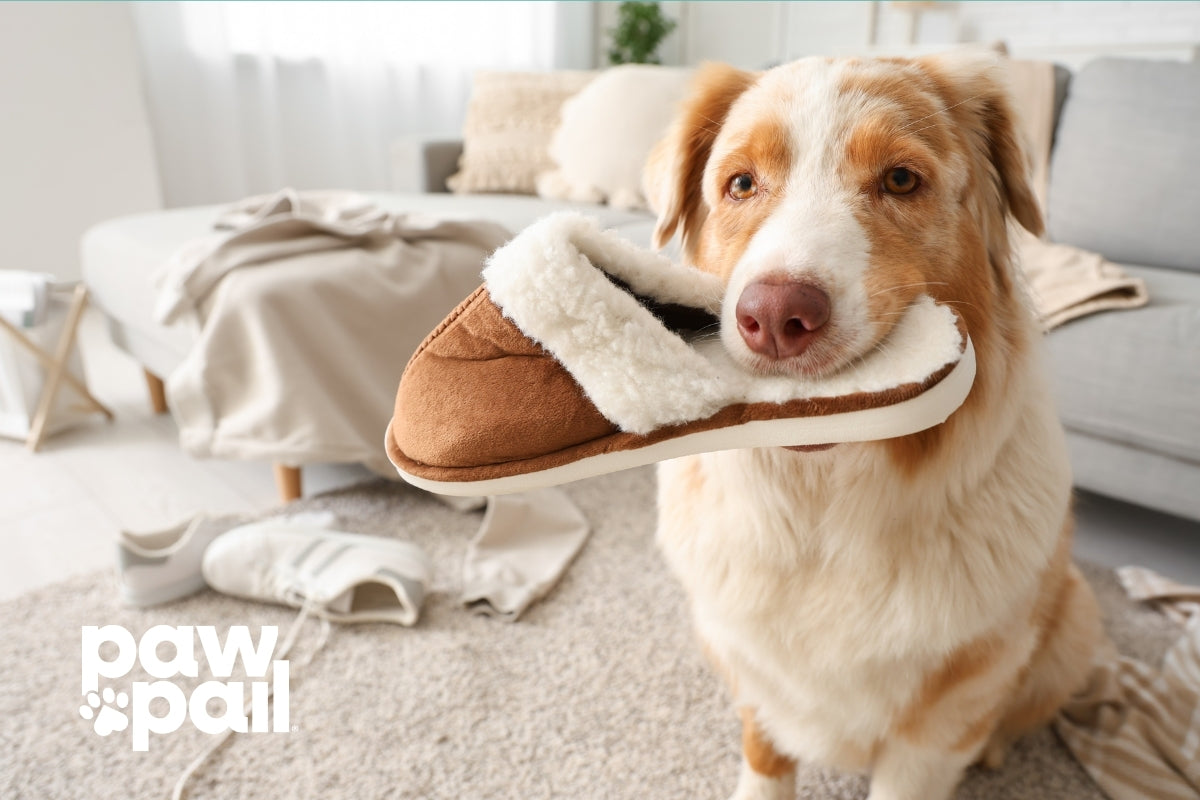
Puppies explore the world with their mouths. If you don't give them something appropriate to chew on, they will find your baseboards, remote controls, or expensive sneakers.
Hard rubber toys are essential. You can stuff them with puppy-safe peanut butter or wet food and freeze them. This provides hours of mental stimulation and helps soothe sore, teething gums.
Soft toys are great for snuggling, but ensure they don't have plastic button eyes or squeakers that can be easily ripped out and swallowed.
Look for mini treats that are only 2–3 calories each. Since you’ll be rewarding them constantly for sitting, staying, and doing their business outside, you want treats that won't cause excessive weight gain.
Grooming and Hygiene
Starting a grooming routine early ensures your dog isn't terrified of the bathtub or the brush when they get older. A puppy’s skin has a different pH than a human's. Never use your own shampoo on them, as it can cause dryness and irritation. Look for a tear-free, oatmeal-based puppy formula.
Puppy claws are like tiny needles. Trimming them once a week, even if you're just taking off the very tip, gets them used to their paws being handled. Finally, get a finger-brush or a small dog toothbrush. Use dog-safe toothpaste to keep their breath fresh and prevent future expensive vet cleanings.
Upgrade Your Clean-Up Routine with Paw Pail
Checking off every item on your new puppy checklist is the best way to ensure a stress-free transition for your furry friend. While food and crates are vital, don’t overlook long-term waste management.
Paw Pail is the ultimate solution for outdoor cleanup. Its professional-grade design traps odors and discreetly stores waste, keeping your yard fresh and functional. With the right gear and a bit of patience, you’re ready for years of adventure.