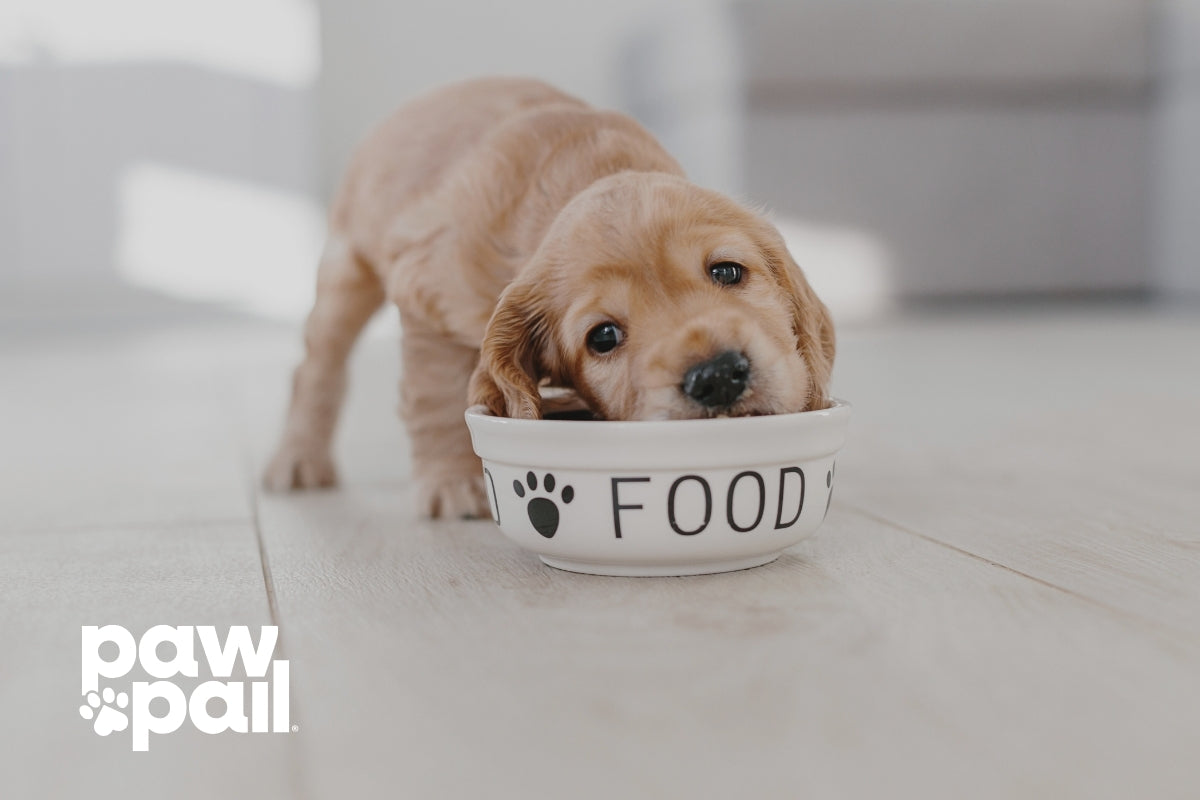
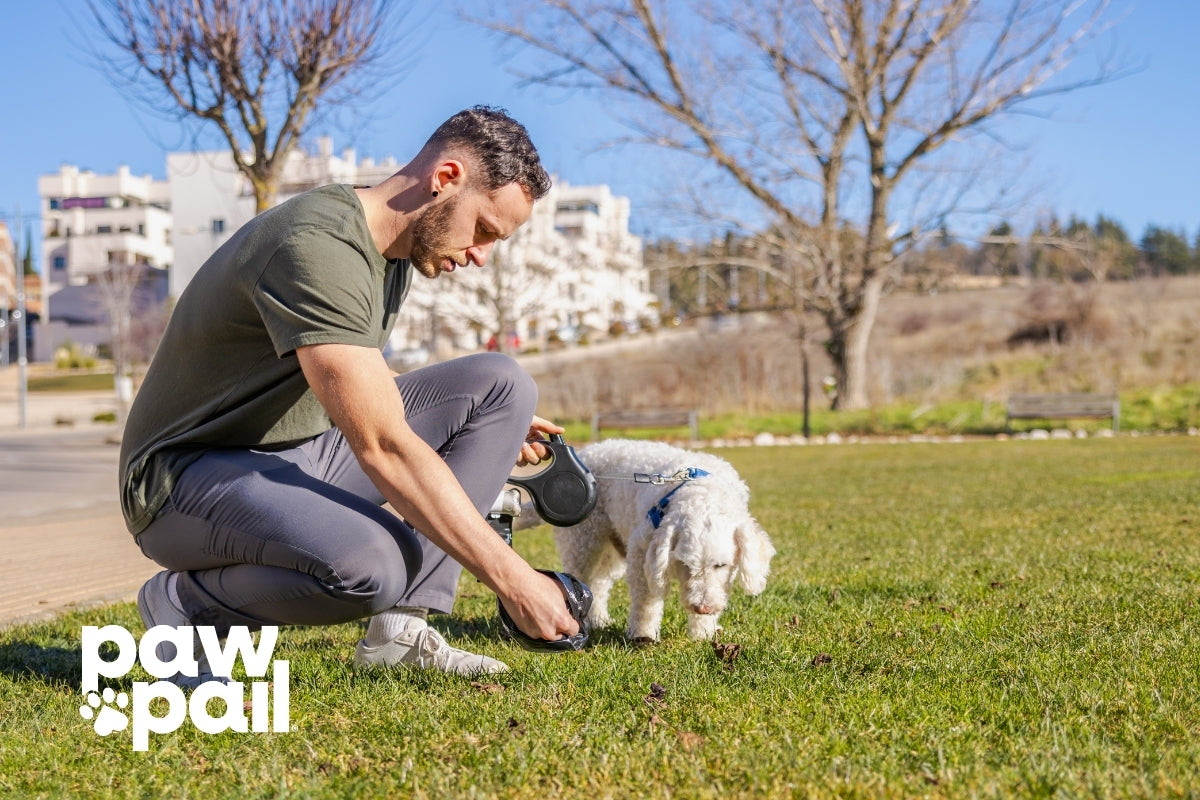
Your dog’s daily output might not be the most glamorous topic, but it’s one of the best indicators of their internal health. What goes in must come out, and the type of food you feed your dog directly dictates the size, consistency, color, and odor of their stool.
Understanding this vital feedback loop between your dog's diet and digestion helps you make informed decisions that support your dog’s overall wellness.
The Impact of Diet Type on Stool Output
The general formulation of your dog’s diet, whether it’s processed kibble, fresh food, or raw, creates distinct differences in what ends up in your dog’s waste bag. This is mainly due to the food's digestibility and nutrient content.
-
Traditional Kibble Diets
Dogs on a traditional dry kibble diet often produce a larger volume of stool that can sometimes be softer and smellier than other diets. This is typically because kibble can contain a higher proportion of fillers, such as certain grains or by-products, and carbohydrates.
These ingredients are less biologically available to a dog’s digestive system, meaning they’re not efficiently absorbed and are simply passed through as waste. The greater the amount of indigestible material, the larger the amount of waste.
-
Fresh and Human-Grade Diets
Switching to fresh or human-grade diets is often associated with a dramatic change in stool output. Owners frequently notice that their dog’s stools become significantly smaller in volume, much firmer, and far less smelly.
This is a direct result of the food being made from whole, minimally processed ingredients that are highly digestible. When food is highly digestible, the dog’s body can absorb more nutrients, leaving very little material to excrete. Less waste entering the body means less waste leaving.
-
Raw and Lightly Cooked Diets
Dogs consuming a raw or lightly cooked diet typically produce the smallest stools of all. Their output is usually substantial, log-shaped, and has a minimal odor. A high protein and fat content characterizes these diets. In raw diets, stools may have a higher bone content, which can make them very hard, chalky, and even turn white if left for a day.
While small, this firmness can sometimes lead to slight straining, which is normal and can help express anal glands. However, excessively hard or white stools may signal too much bone or calcium in the diet, which should be adjusted.
How Specific Ingredients Influence Consistency
The ingredients in your dog’s food critically shape the stool’s quality. High-quality, named animal proteins (chicken, salmon) are easily digested and lead to firm, well-formed stools. Conversely, low-quality proteins or fillers are poorly absorbed, often resulting in softer stools or diarrhea.
Fiber is essential for healthy digestion. Soluble fiber (like pumpkin and sweet potatoes) absorbs water and helps firm up loose stools. Insoluble fiber (such as cellulose) adds bulk and keeps everything moving. The key is giving your dog a balanced mix of both.
Diets too high in fat can cause greasy, pale, or gray stools, signaling poor fat absorption and requiring a vet check. Finally, artificial colors, flavors, and preservatives are common triggers for food sensitivities and persistent loose stools.
Spotting the Difference Between Healthy and Unhealthy Dog Poop
Pay close attention to the four Cs: Color, Consistency, Coating, and Size.
The gold standard color is chocolate brown. Be alert for others, especially black or tar-like stool, which signals digested blood and is an emergency. Yellow or orange may suggest liver issues, and white or chalky often means too much bone. Bright red streaks indicate fresh bleeding, usually from the lower GI tract.
The ideal consistency is firm, log-shaped, like Play-Doh. Hard, pebble-like stools mean constipation or dehydration, while watery or pudding-like stools mean diarrhea. Mucus or slime suggests irritation or colitis, so make sure to check for any coating as well.
Finally, the size of the stool should be proportional to your dog’s food intake. Huge stools often mean the food contains low-quality fillers that aren’t being absorbed. Smaller, well-formed stools usually indicate that your dog is digesting nutrients efficiently. Paying attention to these signs is one of the best ways to monitor digestive health.
Simplify Cleanup with Paw Pail
Your dog's stool is an invaluable daily report card on their digestive health. By understanding how the ingredients and overall structure of your dog's diet, whether kibble, fresh, or raw, affect the stool's size, consistency, and color, you’re empowered to choose the best nutrition for your pet.
A highly digestible, high-quality diet leads to smaller, firmer, and less odorous stools, simplifying cleanup and signaling optimal wellness. Prioritizing a good diet is the first step toward a happy, healthy pup. While optimizing your dog's diet reduces mess, cleanup is still inevitable. The Paw Pail is your solution for hygienic and effortless waste disposal.
Designed to lock away odors and keep waste contained until trash day, the Paw Pail makes scooping duties a breeze. Give yourself the gift of a cleaner yard and an easier routine—pair your dog's healthy diet with the perfect waste management tool!