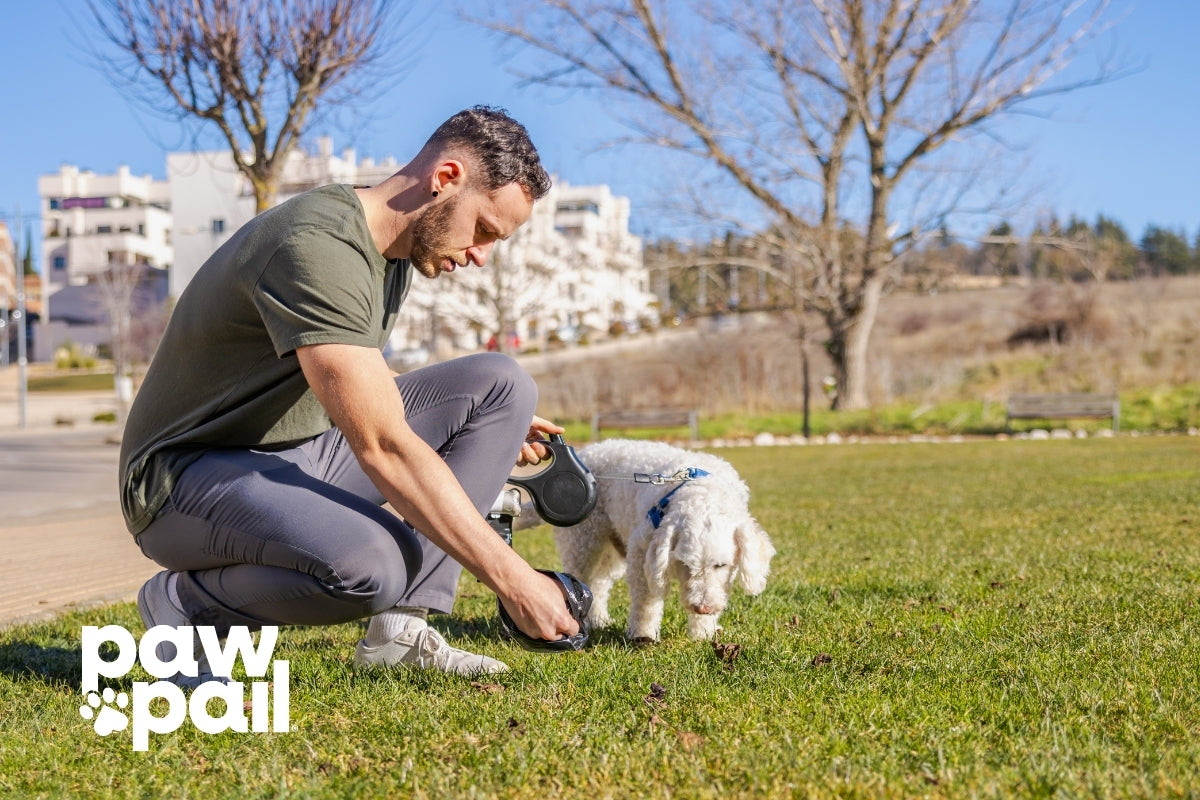
Maintaining a hygienic outdoor pet waste station, such as a Paw Pail or similar enclosed disposal system, is essential for keeping your yard clean and odor-free. While you want to eliminate germs, relying on harsh commercial antibacterial cleaners can sometimes undermine the station's built-in odor control mechanisms, particularly those utilizing carbon filters or natural enzyme action.
To safely and effectively clean the unit and prevent foul odors from developing, the key is to use natural, biodegradable, and non-toxic cleaning solutions. This approach cleans the container without leaving behind chemical residues that could compromise the effectiveness of filters or materials inside the pail.
Understanding the Odor-Control System
Your pet waste station is a dedicated storage unit that helps combat odor using one or more mechanisms, including activated carbon filters, ventilation, or internal liner bags. These systems are susceptible to strong chemical smells and residues.
When harsh, antibacterial chemicals, like those with strong perfumes or chlorine, are used, they leave behind powerful residual odors. These pungent smells can quickly saturate the activated carbon filter, rendering it useless for absorbing ammonia and other pet waste odors.
Furthermore, suppose you use a system that relies on microbial or enzyme action (such as an in-ground digester). In that case, these chemicals will kill the beneficial bacteria that consume odors, halting the natural decomposition process and leading to a foul-smelling buildup. Therefore, safe bin sanitation practices are not just about surface hygiene; they are about preserving the functional longevity of your odor-control technology.
The Safest Cleaners for Your Pet Waste Station
The best way to keep your pet waste pail sanitary is to rely on natural, everyday staples that clean effectively without leaving harmful residues. Here are some top options:
1. White Vinegar – The Natural Disinfectant
White vinegar is a champion cleaner thanks to its acetic acid content, which breaks down organic residue and kills common pathogens. Its scent dissipates quickly, and it won’t damage or contaminate your carbon filters over time.
2. Baking Soda – The Gentle Deodorizer
This mild abrasive scrubs away grime without scratching plastic surfaces. Baking soda also absorbs foul odors, making it ideal for refreshing the inner liner basket.
3. Hydrogen Peroxide (3%) – The Safe Bleach Alternative
Hydrogen peroxide is an oxygen-based sanitizer that decomposes into water and oxygen, leaving no toxic residue. It’s an excellent option for safely disinfecting without risking chemical damage to the pail.
4. Commercial Enzyme or Bio-Based Cleaners
If you prefer store-bought products, look for labels that say “septic-safe,” “biodegradable,” or include enzyme/bacteria additives. These options are gentle on microbial environments and won’t degrade your carbon filter.
Harsh Chemicals
To protect the functionality of your pail, you must eliminate or severely limit the use of certain substances, as they leave disruptive residues or overwhelm the system.
Chemicals like triclosan or high levels of Quaternary Ammonium Compounds (Quats) should be avoided. Their strong, lasting scent quickly saturates carbon filters, making them useless for actual odor absorption.
Bleach and chlorine-based products are strong chemicals that leave highly persistent residues and an overwhelming odor that will permeate the plastic and aggressively counteract the function of odor-absorbing materials.
Products containing ammonia, lye, or petroleum-based solvents are simply too corrosive and leave lasting, artificial smells that will render your pail unusable until the residue completely air-dries. Using these risks permanently stains the pail's plastic with chemical smells.
DIY Natural Cleaning Recipes for Your Pail
Harness the power of natural ingredients with simple recipes to keep your pet waste station clean and neutralized instead.
Mix equal parts white vinegar and water in a spray bottle. Add 10-15 drops of essential oil (such as tea tree for added sanitation) if desired. Spray and wipe down the exterior, lid, and inside of the empty pail.
For the removable inner liner, sprinkle 1/2 cup of baking soda directly into the bottom of the empty liner and let it sit for a few minutes before wiping or rinsing. This instantly neutralizes residual smells. For a deep clean, spray the entire empty pail with a 3% hydrogen peroxide solution, let it sit for 10 minutes, then rinse it thoroughly with water and allow it to completely air-dry outdoors.
Maintenance and Odor Management
The function of your pet waste station depends as much on maintenance as it does on bin sanitation. The carbon filter needs to be replaced regularly according to the manufacturer's guidelines, as its odor-absorbing capacity is finite.
Always use high-quality pet waste bags that are fully sealed to contain the odor before disposing of them in the pail. When the weather is nice, leave the empty pail open outside for a few hours after cleaning or before replacing the liner. This allows for maximum ventilation and sun exposure, naturally eliminating residual moisture and odors.
The Smart Solution for Bin Sanitation
Achieving superior bin sanitation for your pet waste station requires more than just scrubbing; it demands a strategic choice of cleaners. By rejecting harsh chemicals and embracing natural disinfectants like vinegar, baking soda, and hydrogen peroxide, you protect the delicate odor-control mechanisms, especially those carbon filters, while effectively eliminating germs.
For a truly hygienic and hassle-free solution, consider the Paw Pail. Designed with dual-ventilation and a heavy-duty, weather-resistant build, the Paw Pail makes backyard cleanup simple, providing an odor-managed system that is the perfect partner to your new, chemical-free cleaning routine.